

The Wrong Question First
Every team starts the same argument: build it or buy it? The question underneath is simpler: is this the thing that makes you different?

Capabilities Only Pay When They Line Up
A capability list is a menu of equipment. Anchor it to one real use case and the same four become one path a customer walks.

Structure Is What Makes It Answerable
Every company already has the data. Give it a structure and the question becomes answerable, not plausible.

Four Surfaces, One Governed Path
Built separately, each door to your data grows its own shortcut. Built on one governed foundation, all four can stay fast and still answer to one rule set.

Pilots That Never Pour
Four pilots, and every one of them worked. The pilot was never the hard part. The path out of it was.
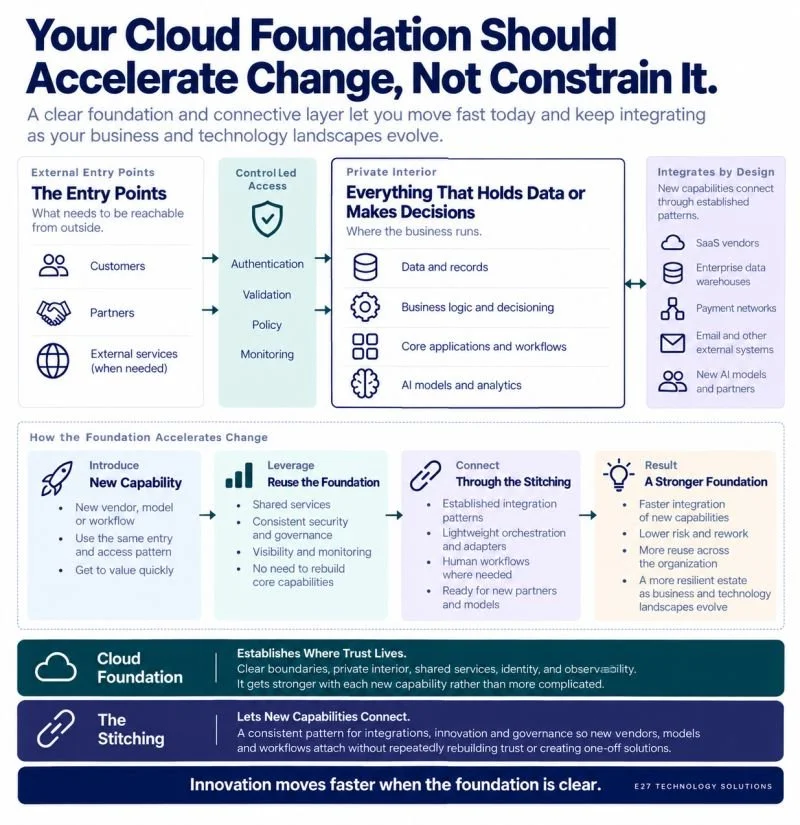
Your Cloud Foundation Should Accelerate Change, Not Constrain It
Every new AI model, vendor, or business capability introduces another set of questions. When the answers are different every time, innovation becomes an integration project.
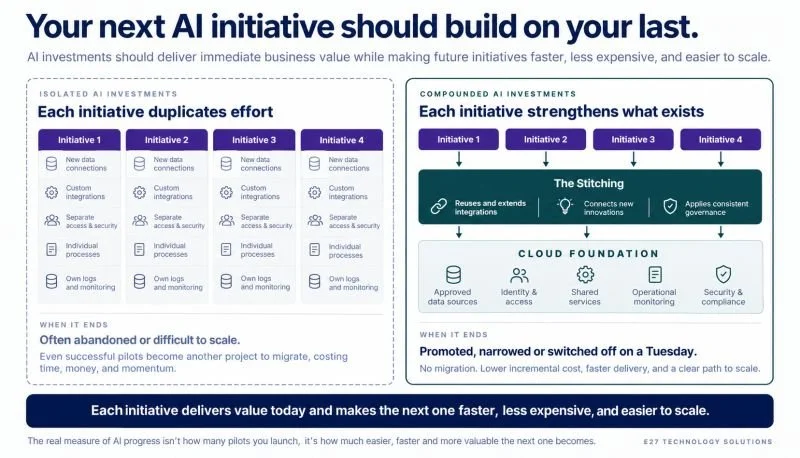
Your Next AI Initiative Should Cost Less Than Your Last
Companies are investing heavily in AI pilots, but how much of that investment carries forward into the next initiative?
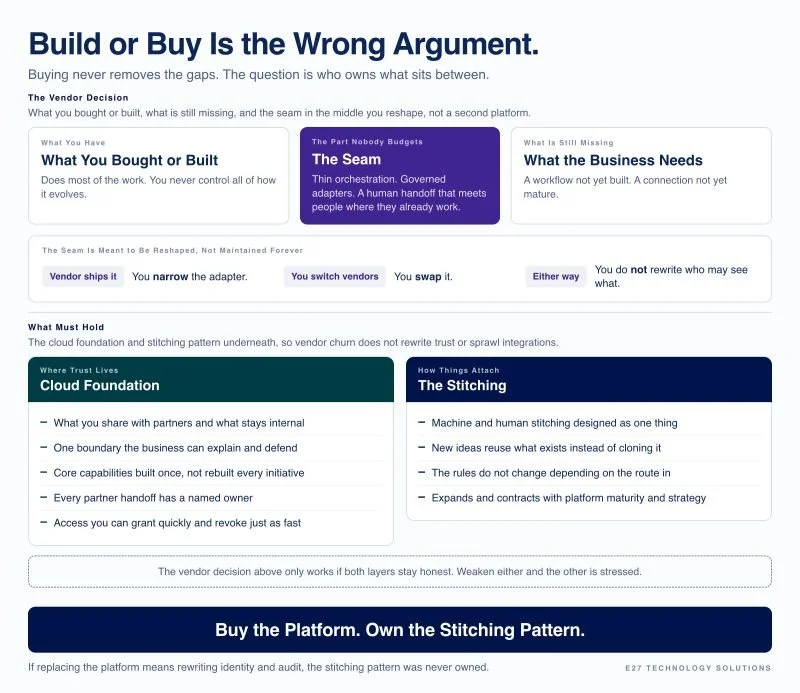
Build or Buy? The Real Value Is in Between
Every new vendor, model, or partner triggers the same debate: Do we build it or buy it? It’s the wrong question. The real question is who owns what sits between.
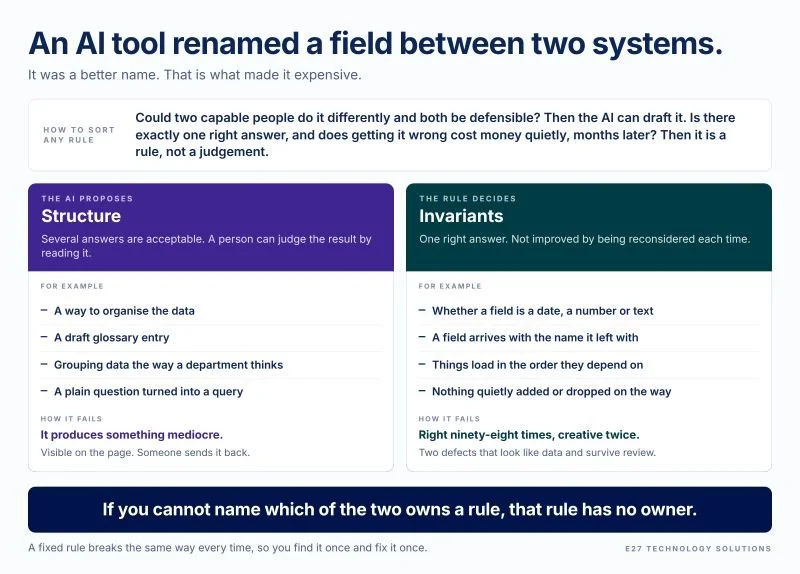
The Art of AI Is Knowing When Not to Use It
An AI tool renamed a field while copying data between two systems. It was a better name. That is what made it expensive.
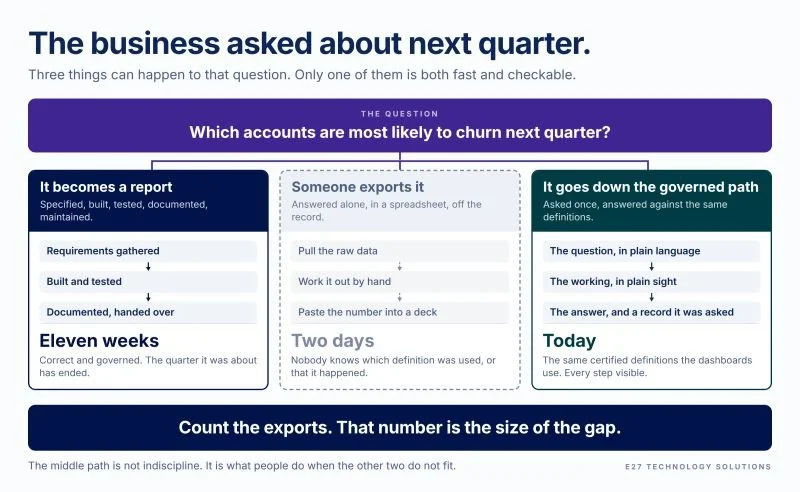
The One Requirement That Has Never Changed: “I Have a Question About My Data.”
The business asks which accounts are most likely to churn next quarter. Technology answers with a list of fields, a mockup, and a delivery date in eleven weeks.
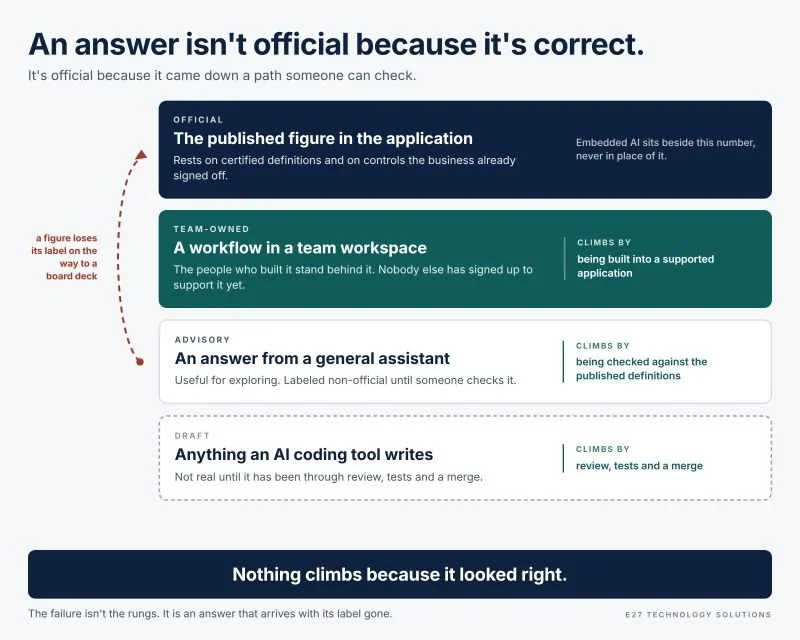
Correct Doesn’t Make an AI Answer Official
An answer isn’t official because it’s correct. It’s official because it came down a path someone can check.
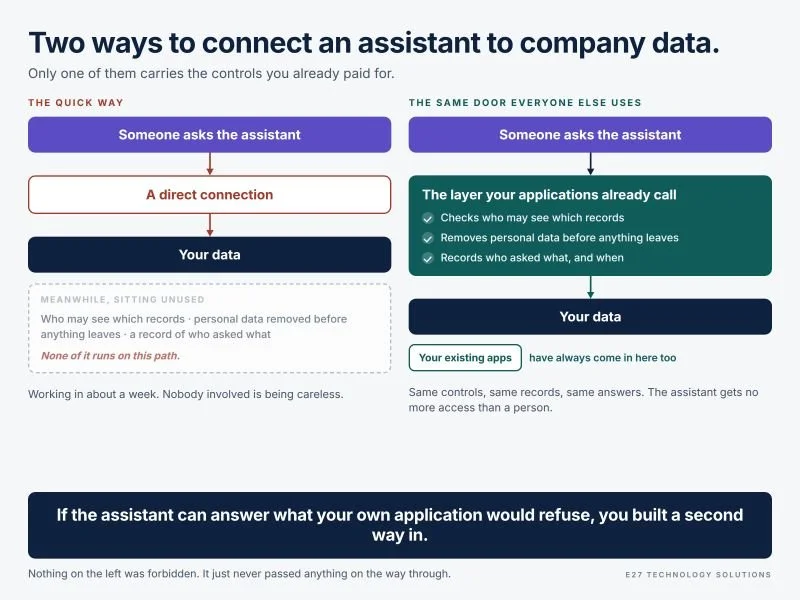
Your AI Assistant May Have Just Created a Second Route to Your Data
Your team can connect an AI assistant to company data in about a week. Whether it inherits your controls or quietly bypasses them is a decision nobody makes.
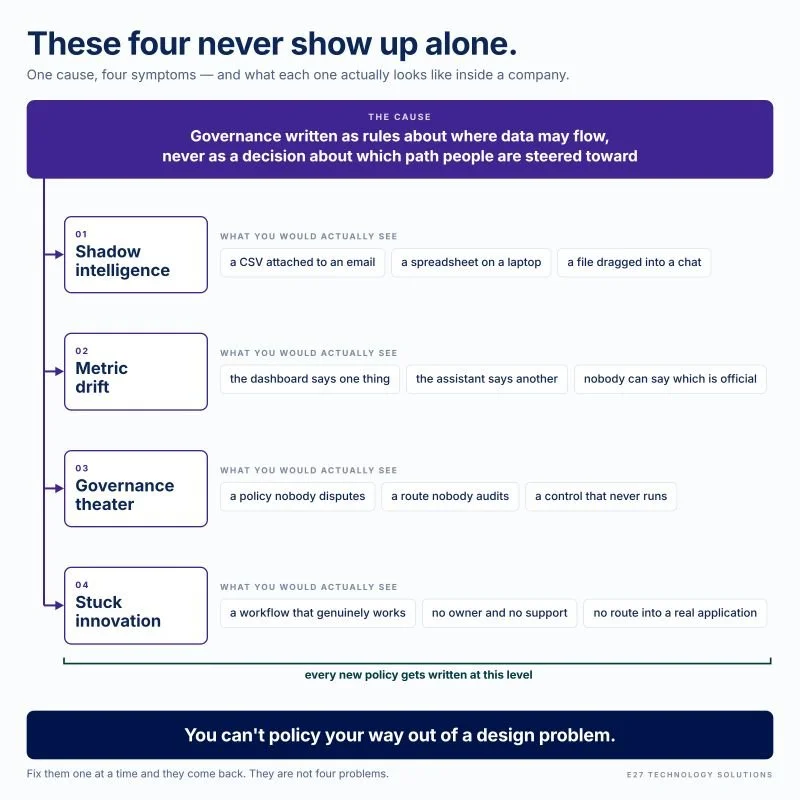
Your AI Governance Problem Is a Design Problem
Nobody at your company thinks they’re breaking a rule. Yet four things are going wrong anyway. They share a cause, so they rarely arrive alone.
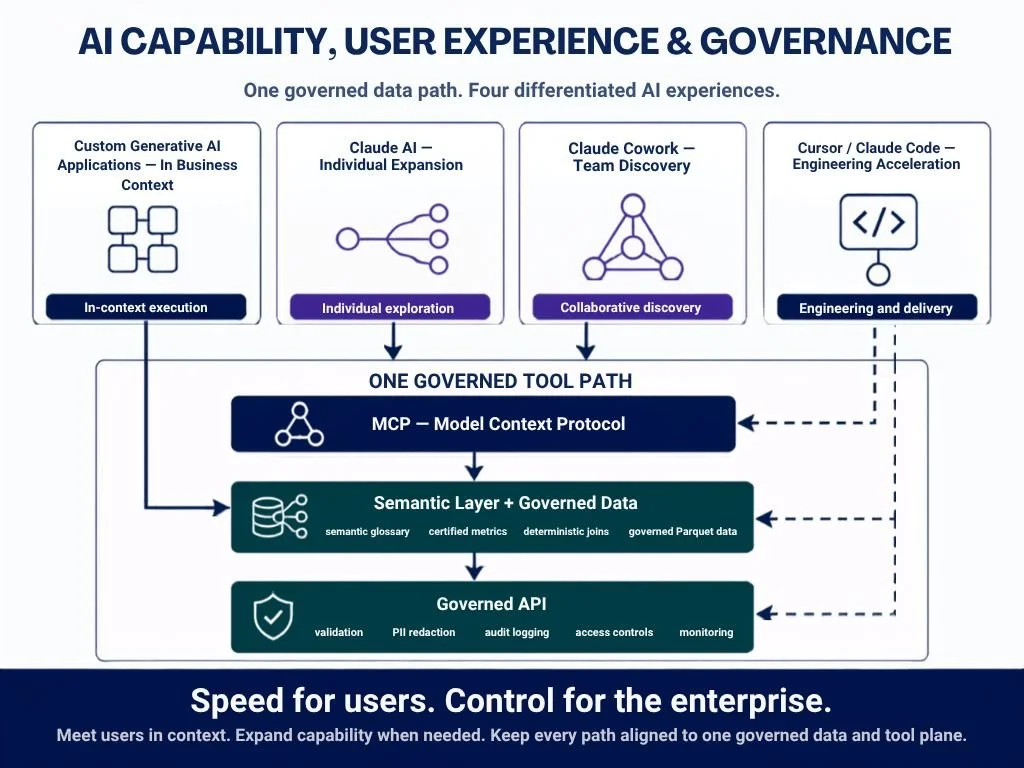
AI Governance Fails When the Workaround Is Easier
Your AI policy says governed data only. Your analysts just pasted an export into a chat window because it was faster. That isn’t a discipline problem.
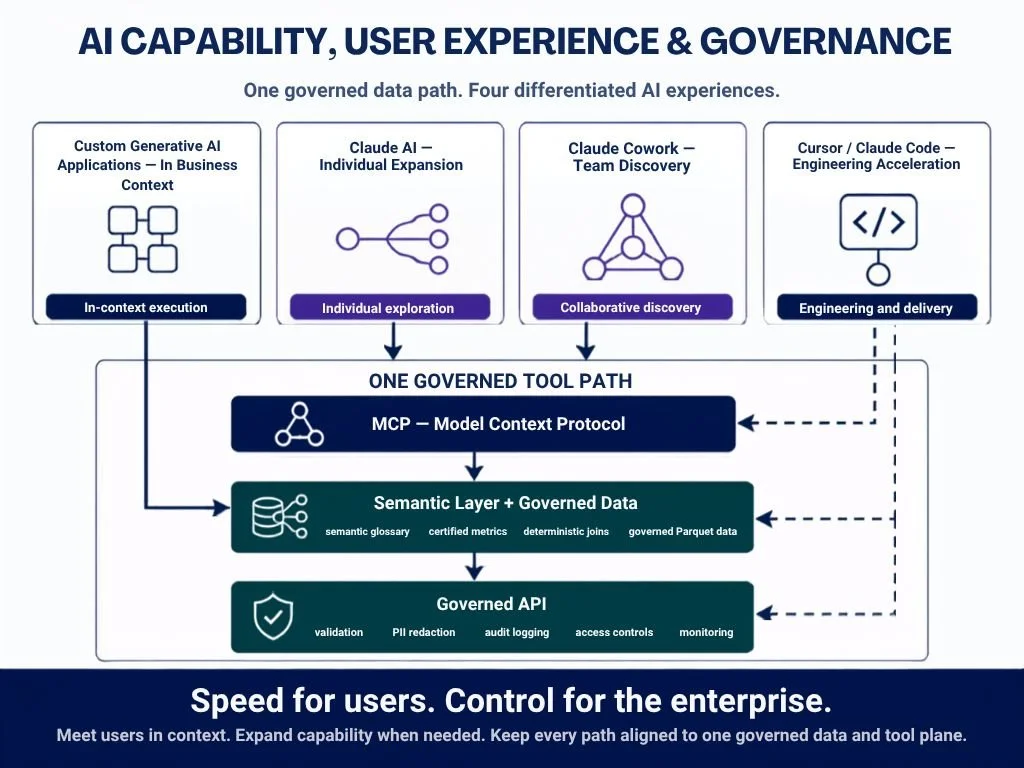
One AI Strategy, Many Experiences
Ask your dashboard and your AI assistant the same question. Get two different numbers. The model isn’t the problem. The path to the data is.
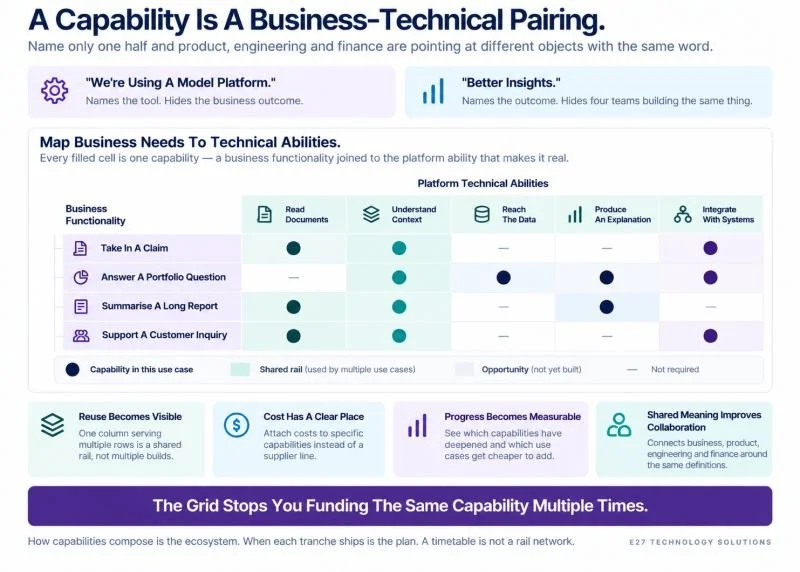
Your AI Roadmap Needs Capabilities, Not Just Technology
Half your AI roadmap is product names. The other half is promises of better insights. Neither tells you what the business will actually be able to do.
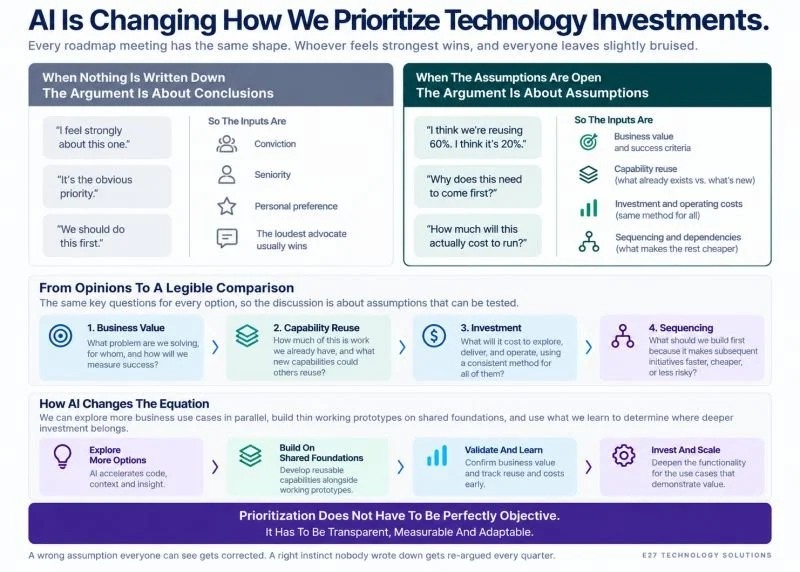
AI Is Changing How We Prioritize Technology Investments
Every roadmap meeting has the same shape. Whoever makes the strongest case usually wins. What changes the conversation is making the assumptions visible.
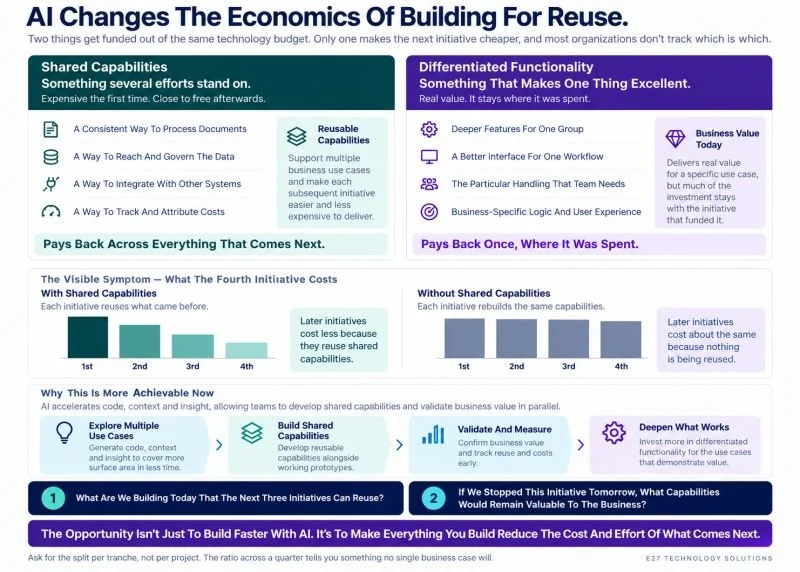
AI Changes the Economics of Building for Reuse
Two things get funded out of the same technology budget. Only one makes the next initiative cheaper, and most organizations don’t distinguish between them.
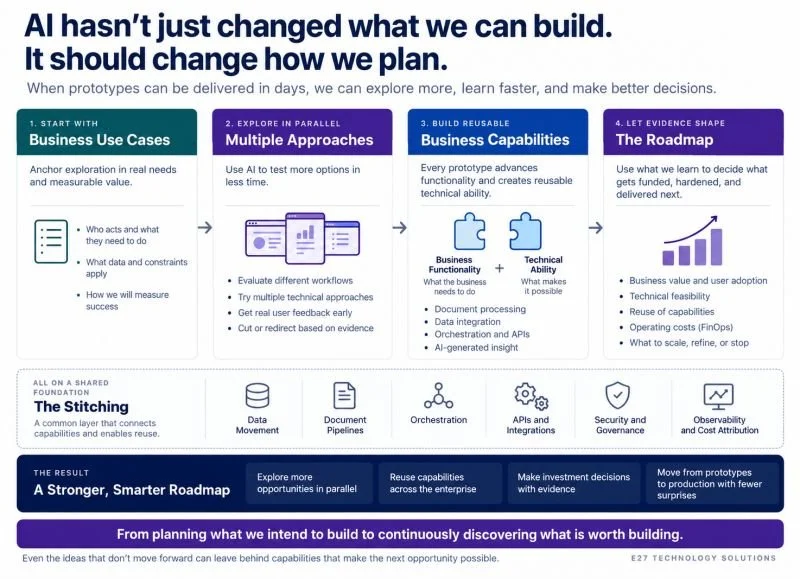
AI Has Changed What We Can Build. It Should Change How We Plan.
Many technology roadmaps still operate as though building is the constraint. The opportunity isn’t just to build faster. It’s to explore more before committing.
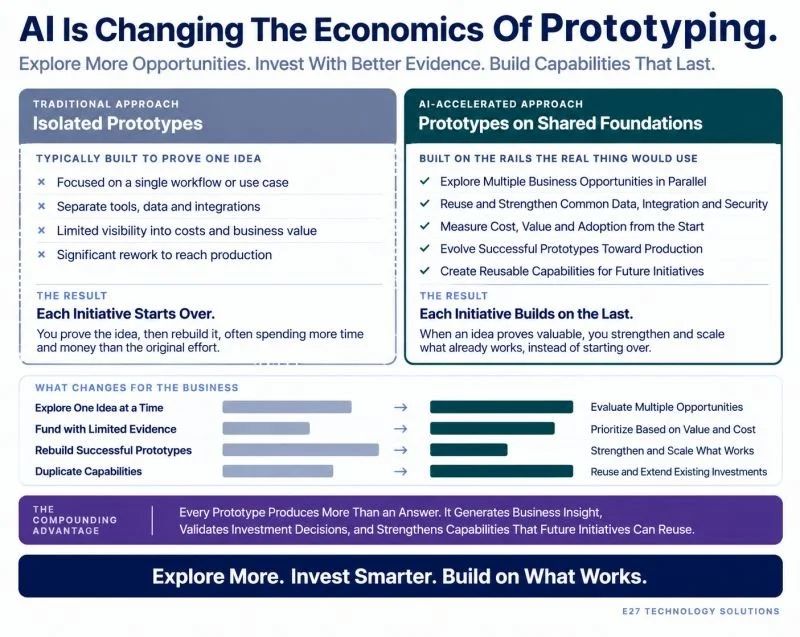
AI Is Changing the Economics of Prototyping
The traditional problem with prototypes wasn’t building them. It was what happened afterward. The opportunity is much bigger than faster prototypes.